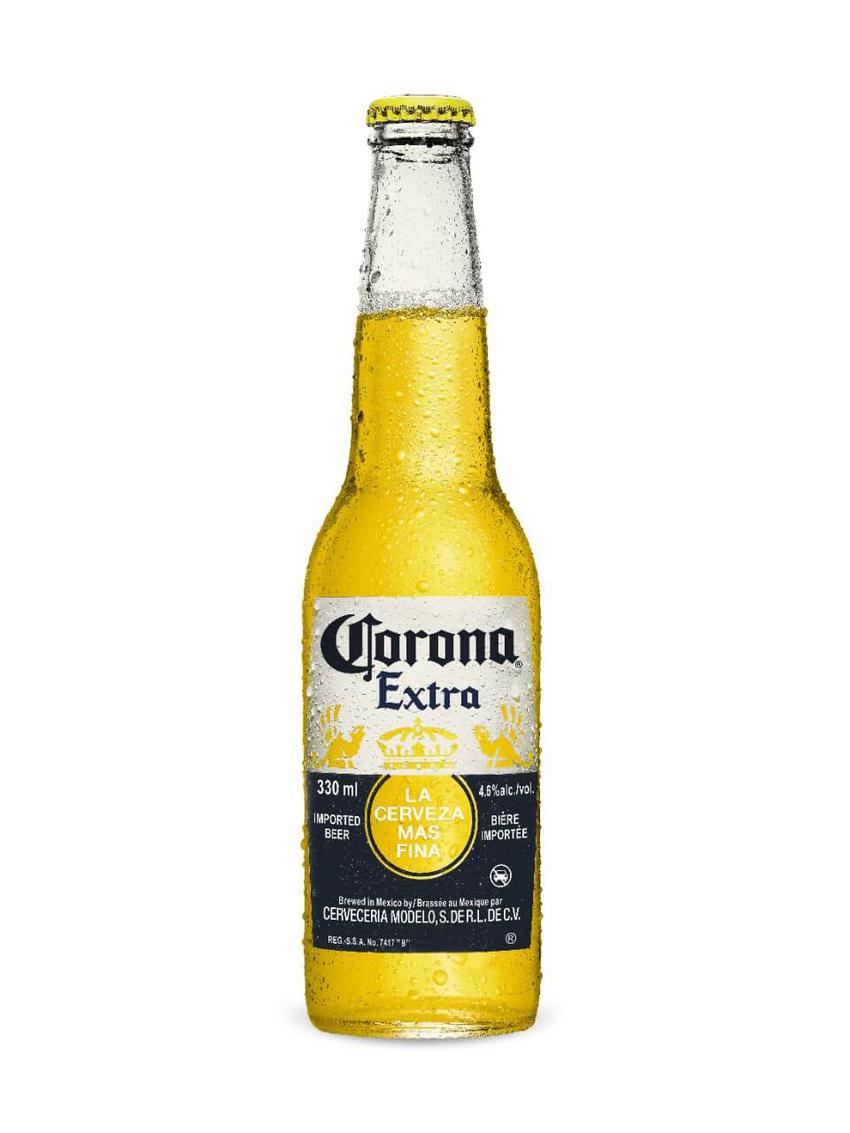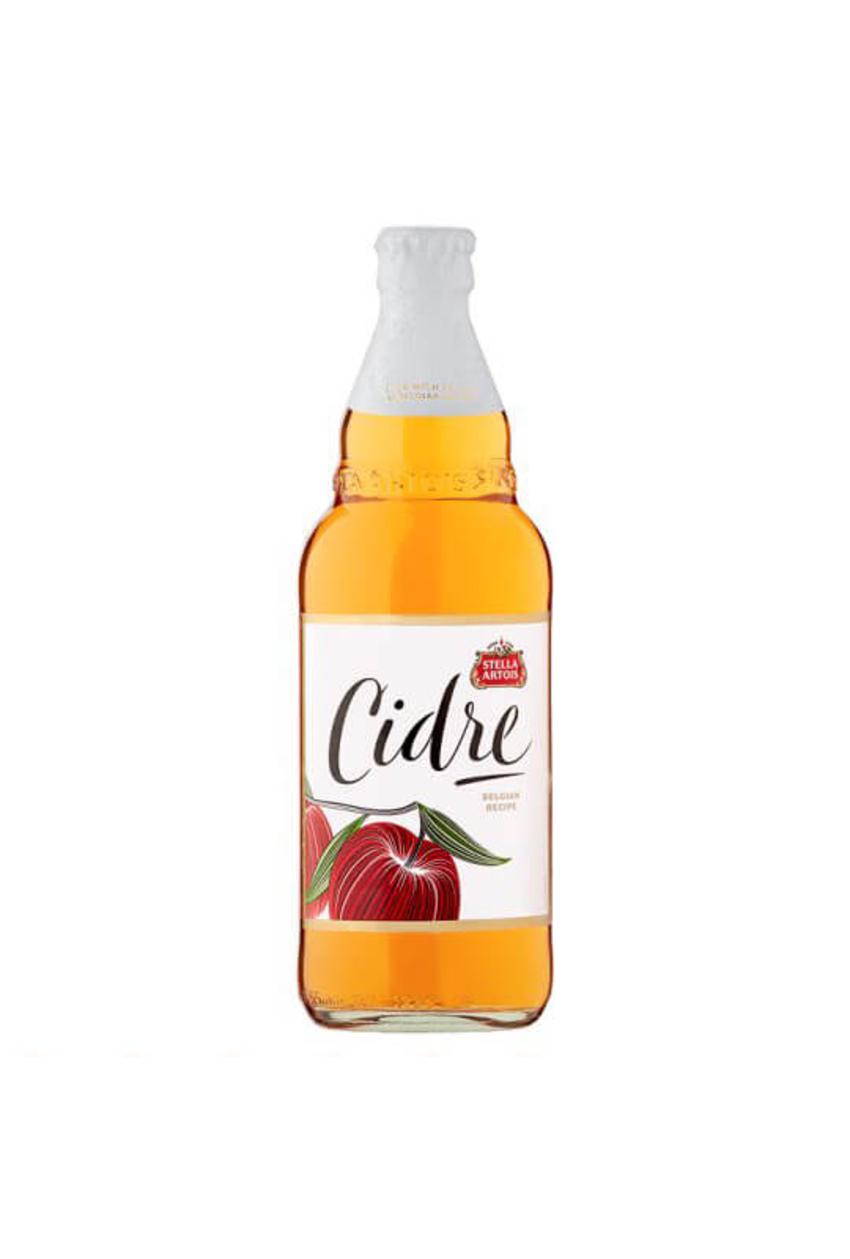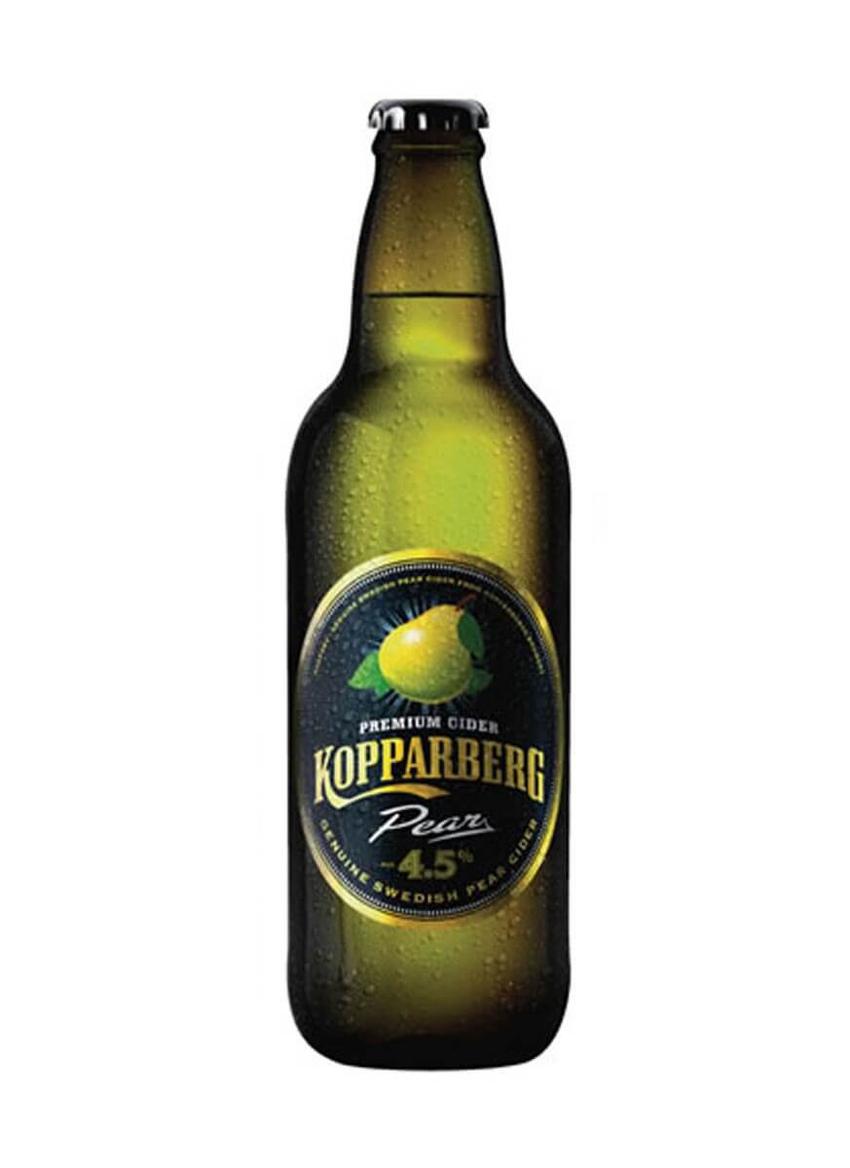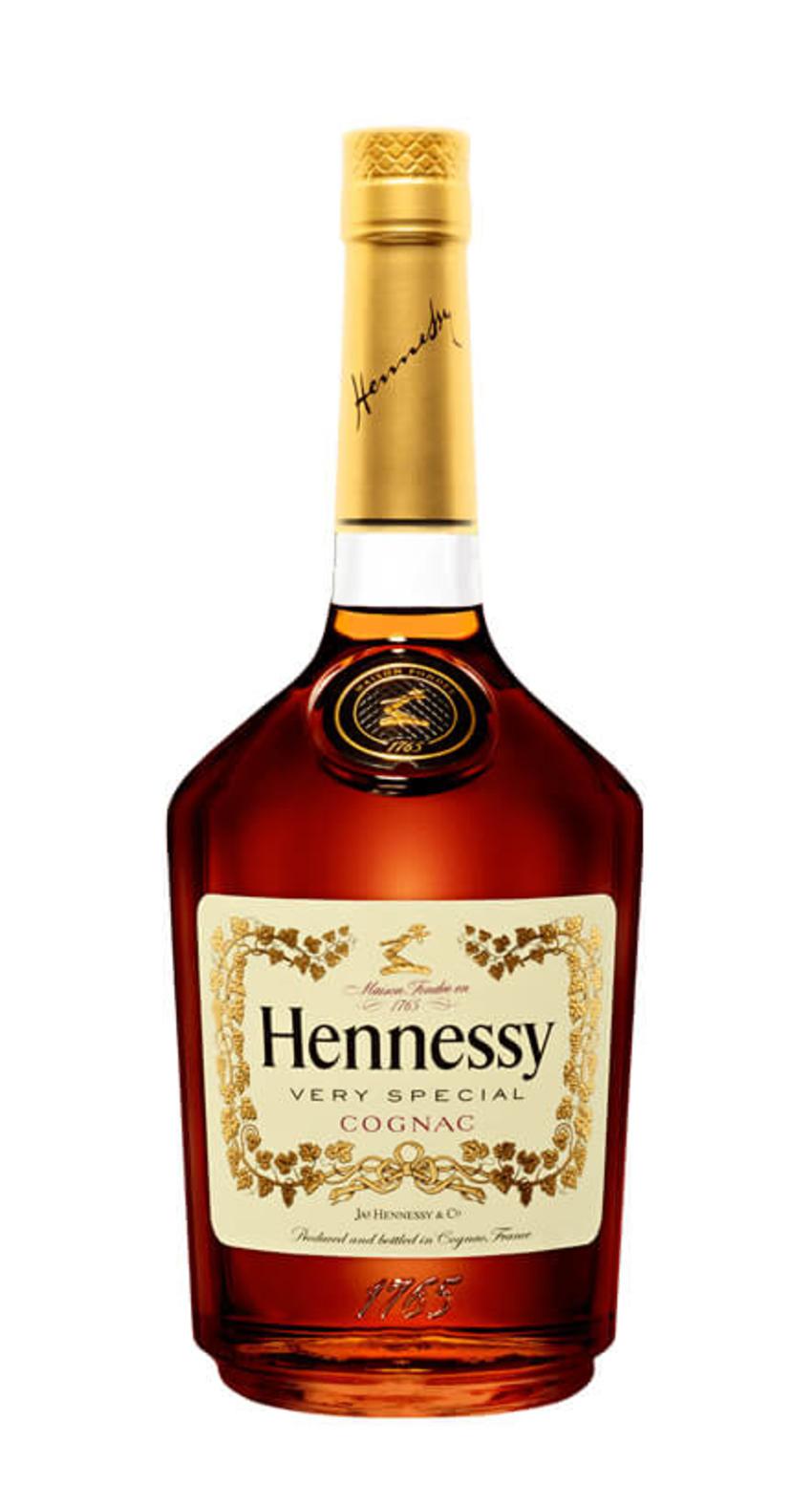
While beer typically has a lower alcohol volume than other alcoholic beverages such as liquor, it still has enough to cause dehydration. It’s important to rehydrate properly after drinking alcohol. No matter the cause of our dehydration, it’s important for us to replenish our fluids as soon as possible. Being dehydrated can lead to some serious consequences, which we’ll investigate further. As you can imagine, water is one of the best drinks to fight dehydration.

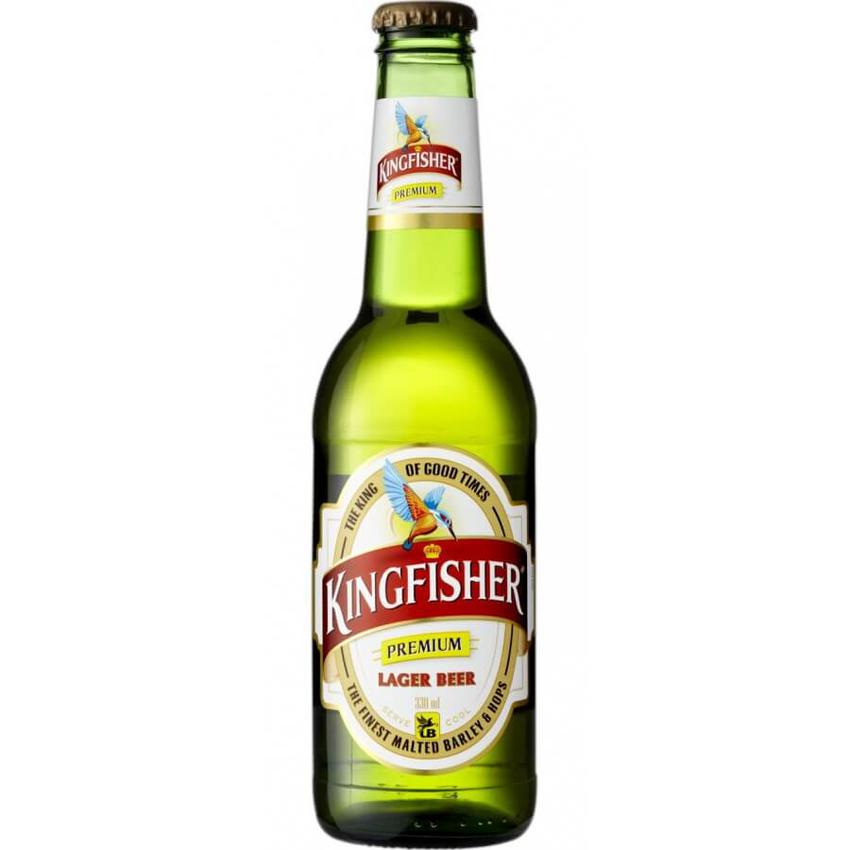
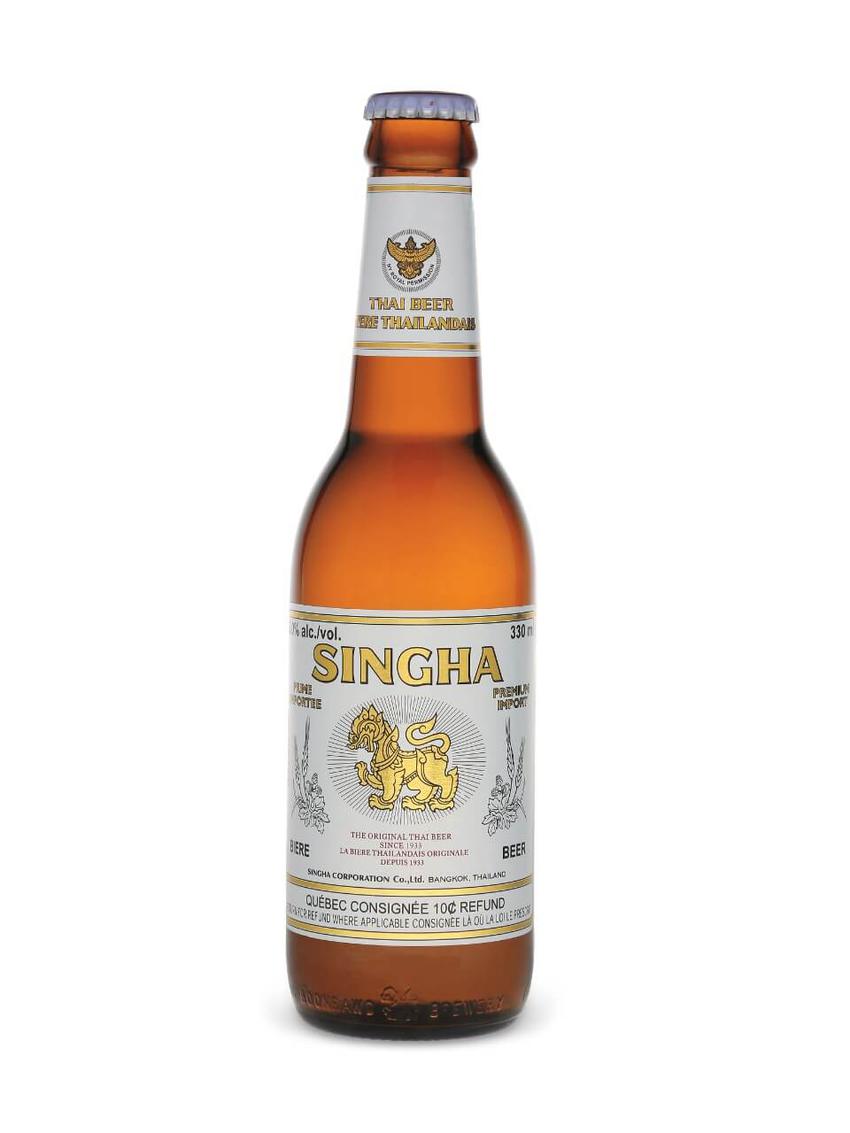
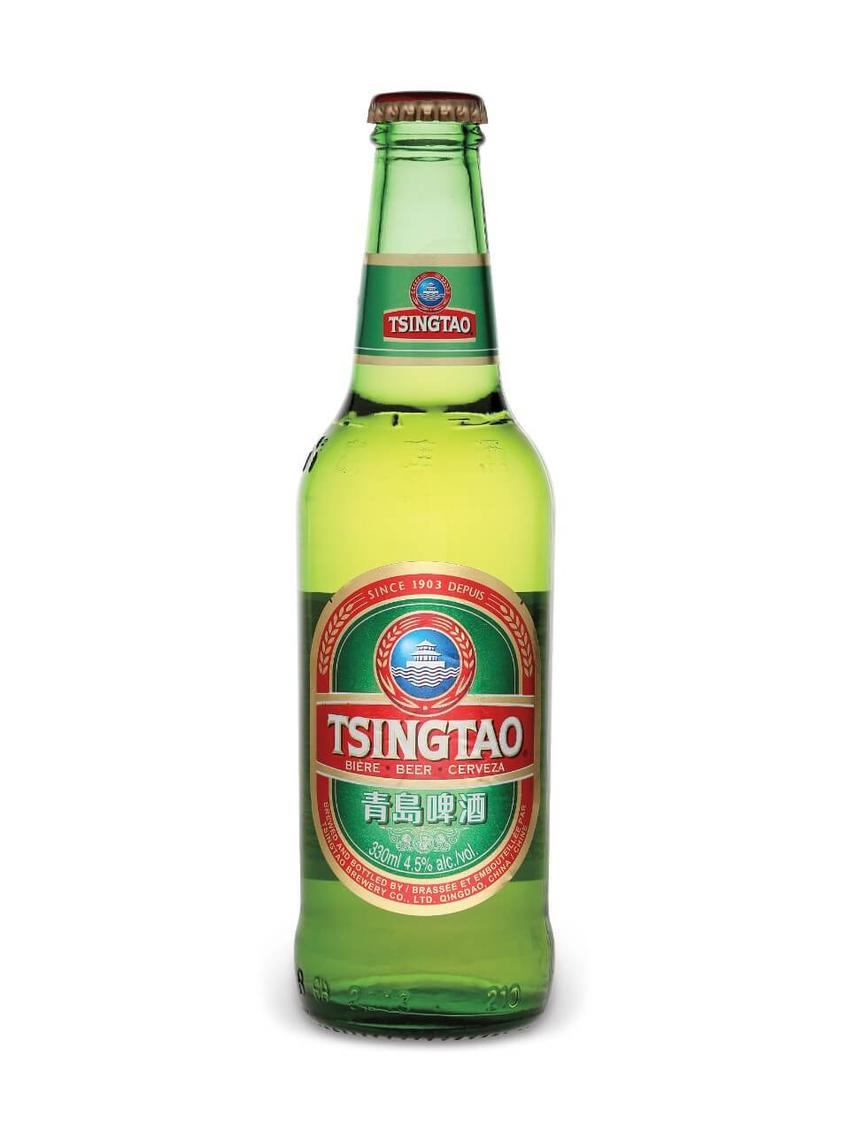
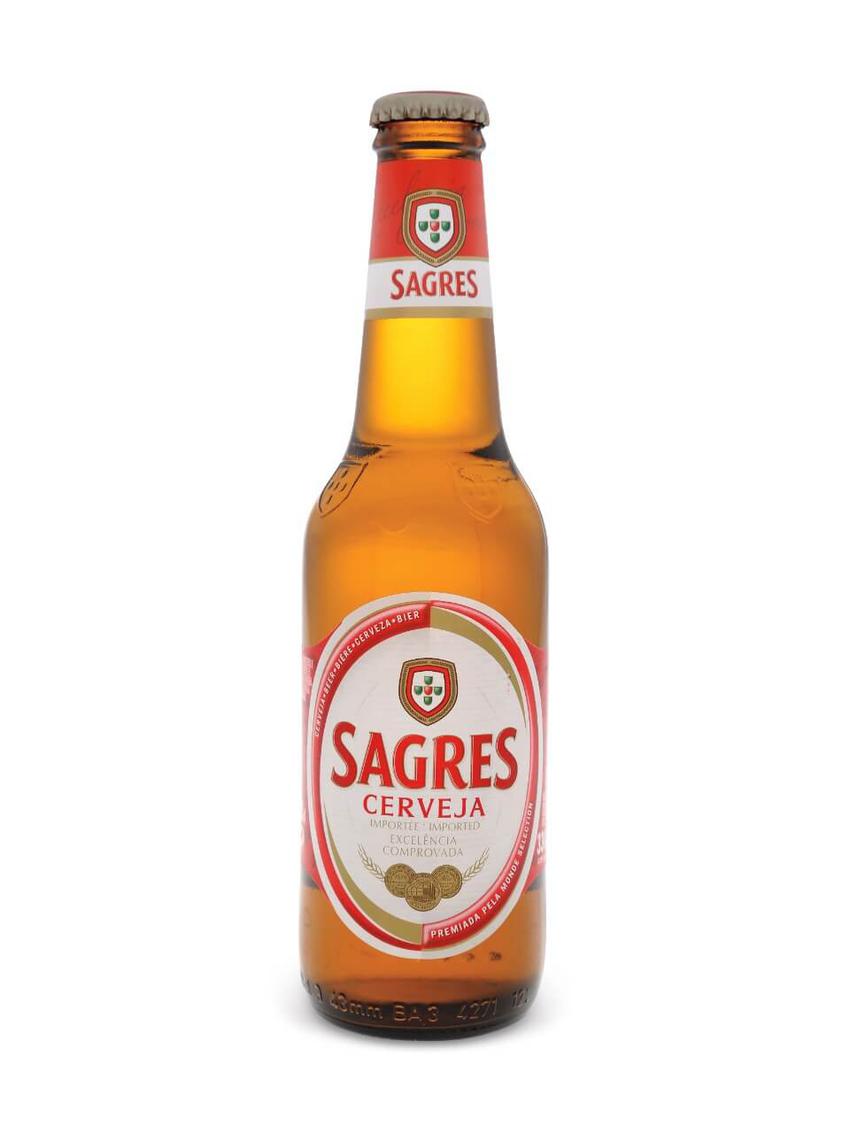
Top 5 Most Popular Beers in Vietnam
Some individuals, however, are at increased risk of dehydration, including infants and children, older adults and those who work or exercise outdoors in hot and humid conditions. In addition, cocktails with sugary mixers alcohol rehab or caffeinated alcoholic beverages can amplify fluid loss and worsen alcohol-related dehydration. Besides dehydration, alcohol can have other negative effects on the body. For this reason, a person should drink alcohol in moderation and avoid binge-drinking or chronic heavy drinking.
Fruit Infused Water
Beverages with lower alcohol content, such as beer, did not appear to have this effect. Dehydration can happen for many reasons, including alcohol consumption. Alcohol can cause increased urination, increased heart rate or body heat, vomiting, and other issues that can increase dehydration. Avoiding alcohol is the best way to prevent this problem, but if you do drink alcohol, be sure to also drink extra water with solutes such as protein. In severe cases of dehydration, drinking water alone may be insufficient. If you are dehydrated to the point that you are experiencing symptoms like weakness or loss of consciousness, you may need intravenous (IV) fluids administered in a healthcare setting.
Recipes for Mediterranean Dishes and Beer Cocktails: Pairing Guide and Flavor Profiles
Alcohol dehydrates us through its diuretic effect and contributes to fluid loss through sweating or vomiting. Extreme dehydration for a long period of time can be extremely damaging to our body and can even be fatal. Be sure to stay hydrated throughout the day, and if we’re going to be drinking alcohol, be sure to include water whenever possible. High blood glucose levels lead to increased dehydration due to the kidneys attempting to clean out the sugar from the body and consequently producing more urine than usual. Someone who drinks plenty of water throughout the day but is drinking while dehydrated always thirsty or feeling dehydrated may have diabetes and should consult a medical professional.
Zero Sugar
- In order to break this substance down and remove it from the body, your liver does most of the work of turning it into acetate.
- Our society has a tendency to consume sports drinks, juices, soda, and many other awful water substitutes that don’t benefit us at all.
- Dehydration can catch anyone off guard, whether you’re hitting the gym, enjoying some sun, or just going about your daily activities.
- Make it a priority to eat fresh produce and if you have a large yard or property, grow your own food at home.
In other words, the alcohol alone in one standard drink can make your body produce a little less than half a cup of pee. Alcohol suppresses the hormone vasopressin, which governs how much you urinate. If you have a full stomach, it can essentially slow down the absorption of alcohol. We offers tailored programs and expert guidance to help you stay active, healthy, and vibrant in your golden years. Adopting a personalized hydration plan ensures optimal hydration, especially during hot weather or intense physical activities. Plant-based alternatives can provide similar benefits with added vitamins and minerals, catering to those with dietary restrictions.

Sickness is another instance when your body can rapidly lose a lot of fluid. Fever, vomiting, or diarrhea call for electrolyte-rich drinks, lots of water, or (at times) oral rehydration solutions. Some medical procedures also lead to fluid loss, Braunstein says, so consult your doctor for tips on how to rehydrate after any surgeries or medical procedures. Any beverage containing 4% and above alcoholic contents can cause dehydration. Too much consumption may even lead to a visit to the hospital.
- But that doesn’t mean you shouldn’t enjoy an adult beverage or two from time to time.
- Athletes and individuals in hot climates require more fluids due to higher sweat loss.
- Consuming a meal containing plenty of healthy fats before drinking buffers alcohol absorption and allows more time to process and detoxify alcohol, which helps prevent dehydration.
- In addition, increased urination can cause the loss of electrolytes, especially potassium and sodium, which are crucial for maintaining the body’s fluid balance.
Avoid Dehydrating Foods
“Essentially, when you’re dehydrated, you’ll feel alcohol’s effects sooner and for longer,” Pfau says. A vodka with soda is likely more hydrating than just a shot of vodka because you’re consuming more fluids from the soda. Drink plenty of plain water, an electrolyte drink or sports drink, and eat water-rich, easily digestible foods. Added sugar creates extra acid, which makes it harder for your body to store water. Salty foods, like chips and other snacks, are also risky when it comes to staying hydrated. The amount of alcohol you consume will influence the symptoms you experience.
Hydration needs fluctuate based on factors like activity level and climate. Athletes and individuals in hot climates require more fluids https://ecosoberhouse.com/ due to higher sweat loss. One experiment in 72 adult men found that both whole and skim milk were more hydrating than water 3–4 hours after consumption. Berry-forward smoothies pack lots of vitamin C, which is essential for a healthy immune system. This is especially important if your dehydration is due to a fever or infection.
Extreme Heat
It’s generally believed that for every gram of alcohol consumed, the kidneys produce around ten milliliters of urine, which increases fluid loss and contributes to dehydration. While it can be tempting to consume alcohol on a hot summer day, the combination of high temperatures and alcohol can cause considerable fluid loss and dehydration. A high-potassium electrolyte powder containing at least 1,000 milligrams of potassium can help counteract fluid loss caused by alcohol and reduce the risk of having a hangover.